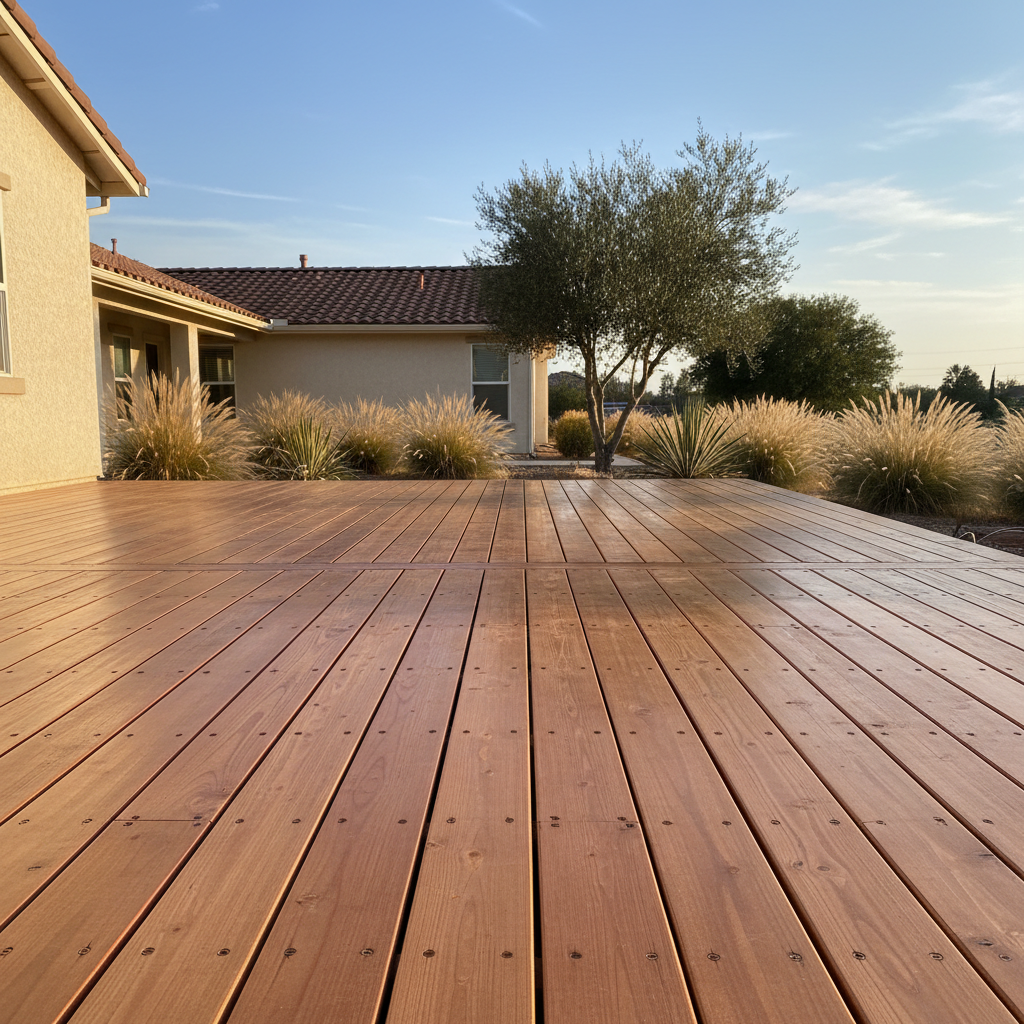
Your deck is an investment, plain and simple. It’s where you grill, relax, and make memories. But here in Fresno, with our triple-digit summers and sometimes surprisingly wet winters, that outdoor living space really takes a beating. I’ve seen too many good decks go bad because folks didn’t know what to look for or just put off the small stuff. Let’s talk about keeping your deck solid for years to come.
Extending Your Deck's Lifespan: It's All About Protection
The biggest thing you can do to make your deck last longer, whether it’s redwood, cedar, or pressure-treated lumber, is proper sealing and staining. This isn’t just about making it look pretty, you know; it’s your deck's first line of defense against the elements. Our sun here in the Central Valley is brutal. UV rays break down wood fibers, which leads to graying, cracking, and splintering. Then there's the moisture, especially if you’re watering plants nearby or have a sprinkler system hitting it regularly. That water gets into the wood, expands and contracts, and eventually causes rot.
I usually recommend re-sealing or re-staining most wood decks every 2-3 years. How often depends on the product you use and how much sun it gets. If your deck faces west and gets hammered by the afternoon sun, you might need to do it a bit more often. Composite decks are a different story; they’re designed to be low maintenance, but even they need a good cleaning now and then to prevent mildew buildup.
Regular Maintenance: Your Weekend Checklist
You don't need to be a pro to keep an eye on your deck. A little bit of regular attention goes a long way, truly. Here’s what I tell my clients:
- Clean it regularly: Sweep off leaves, dirt, and debris. This stops moisture from getting trapped and keeps mildew from growing, especially in shaded areas or if you’ve got a lot of trees dropping stuff on it. A good scrub with a deck cleaner (always follow the manufacturer's instructions!) and a soft brush once or twice a year can do wonders.
- Check for loose fasteners: Look for any nails or screws that are popping up. Over time, wood expands and contracts, and fasteners can back out. Just tap them back in or replace them with deck screws if they’re really loose. You definitely don’t want someone tripping on a popped nail.
- Look for rot: This is a big one. Pay close attention to areas where water tends to sit, like around posts, railings, or where the deck meets the house. Poke the wood with a screwdriver. If it feels soft or spongy, that’s a red flag.
- Trim back vegetation: Keep bushes and plants from growing directly against or under your deck. This improves air circulation, which helps prevent moisture buildup and keeps pests from making a home there.
- Clear out gaps: Make sure the gaps between your deck boards are clear. If they get clogged with debris, water can't drain properly, and that's a recipe for rot.
Warning Signs: When a Small Problem Becomes a Big One
Don't ignore these signals. They're your deck telling you it needs some help:
- Splintering or cracking wood: Beyond normal weathering, excessive splintering means the wood is drying out and breaking down.
- Loose or wobbly railings: This is a safety issue, plain and simple. If your railing isn't solid, it's not doing its job.
- Soft spots or spongy areas: As I mentioned, this is a sign of rot. It can compromise the structural integrity of your deck.
- Mildew or mold that won't go away: If you've cleaned it and it keeps coming back, you might have a persistent moisture problem.
- Fading or peeling stain/sealant: This means your deck's protection is failing, leaving the wood exposed to the elements.
- Insect damage: Termites and carpenter ants love damp, decaying wood. If you see sawdust trails or small holes, investigate immediately. We've got plenty of those little critters around Fresno, especially in older neighborhoods with mature trees.
When to Call a Professional: Don't DIY Everything
Look, I’m all for homeowners doing what they can. But some jobs are just better left to the pros. If you see any of these, it’s time to pick up the phone:
- Significant structural damage: If posts, beams, or joists are rotting or severely cracked, that’s not a DIY fix. Your deck's safety depends on these components.
- Extensive rot: A small patch of rot might be manageable, but if it’s widespread, you need an expert to assess the damage and make proper repairs.
- Major railing issues: If multiple sections of your railing are loose or broken, it's safer to have a professional ensure it meets safety standards.
- Deck is pulling away from the house: This is a serious structural issue and needs immediate attention. It means the ledger board, which connects the deck to your home, might be failing.
- You're unsure: If you're looking at something and just don't know if it's a big deal or not, get a second opinion. It’s always better to be safe than sorry, especially when it comes to something you and your family use regularly.
At Built Right Decks of Fresno, we've seen it all. From minor repairs to full-blown structural overhauls. A little proactive maintenance now can save you a lot of headaches and money down the road. Keep an eye on your deck, give it some love, and it’ll keep serving you well for years to come.